Security correspondent Gordon Corera said the highest concentration was found on the Skripals' door handle, and could have been administered through a "gloopy substance which could have been smeared on to that door handle".
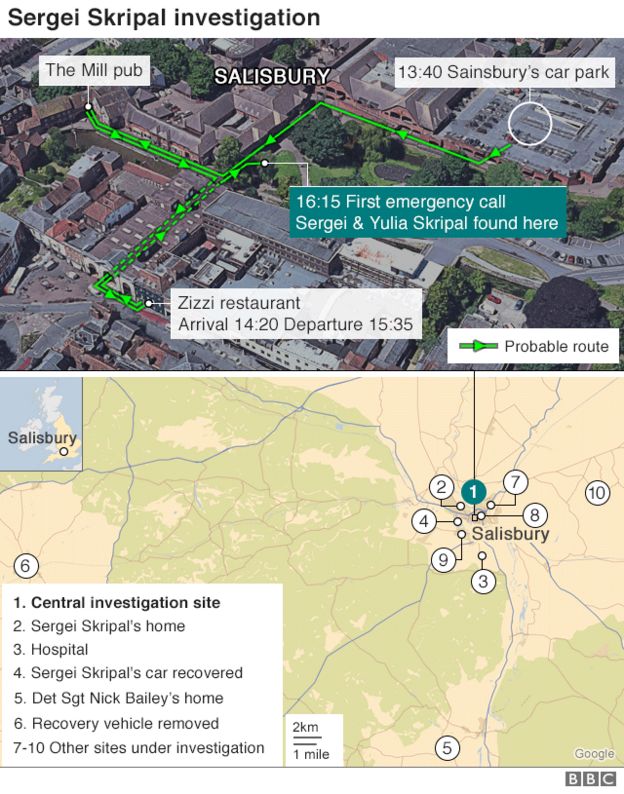
He added it would explain why the nerve agent may have been found on the Skripals' car - which has been taken by police - or the restaurant in which they had eaten which has been cordoned off by detectives.
About 250 counter terrorism officers continue to work on the case, examining 5,000 hours of CCTV footage and 1,350 items that have been seized.
Officers would continue working at the address over the next few weeks, and potentially months, Deputy Assistant Commissioner Dean Haydon said.
"Those living in the Skripals' neighbourhood can expect to see officers carrying out searches as part of this, but I want to reassure them that the risk remains low and our searches are precautionary," he added.
Novichok agents
Forensic work at shops and at a cemetery in Salisbury is drawing to a close.
The Maltings shopping centre, the Ashley Wood compound, and the London Road cemetery have been handed back to Wiltshire Police from the national counter terrorism investigation, Deputy Chief Constable Paul Mills said.
Mr Skripal's wife and son are buried in the cemetery, and the former spy and his daughter were discovered unconscious at the Maltings shopping centre.
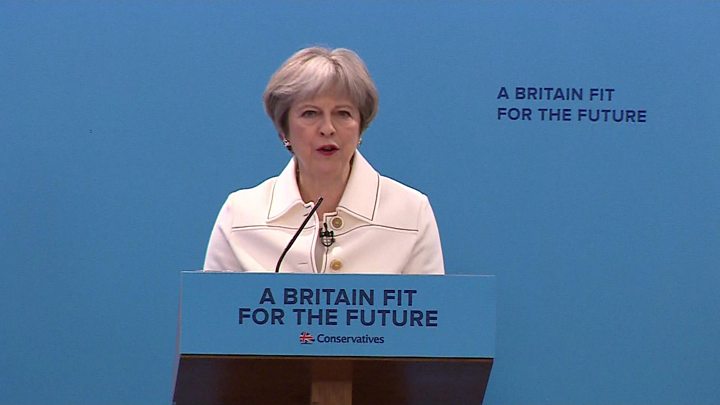
Prime Minister Theresa May has said the chemical used in the attack was part of a group of nerve agents developed by Russia known as Novichok.
Russia is to expel 23 British diplomats in a row over the nerve agent attack on an-ex spy and his daughter in the UK.
The Russian foreign ministry said the UK staff would be expelled from Moscow within a week in response to Britain's decision to expel 23 Russian diplomats.
It also said it would close the British Council in Russia, which promotes cultural ties between the nations, and the British Consulate in St Petersburg.
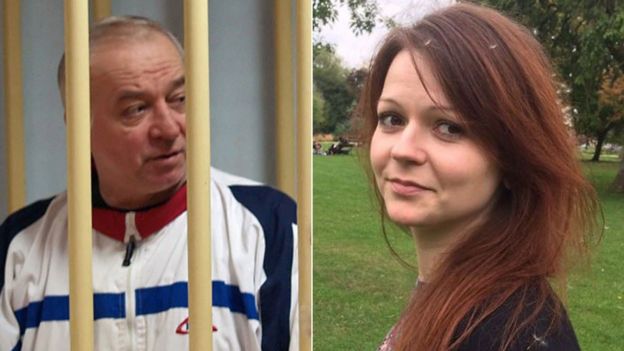
Sergei Skripal and his daughter Yulia remain critically ill in hospital.
They were found unconscious on a bench in Salisbury, Wiltshire on 4 March.
The UK government says they were poisoned with a nerve agent of a type developed by Russia called Novichok - the Russian government denies any involvement in the attack.
Prime Minister Theresa May said the UK government would consider its next steps "in the coming days, alongside our allies and partners".
BBC diplomatic correspondent James Robbins said the move was significant because the Council fosters people-to-people relationships and, as it serves young people, could be crucial for the UK's relationship with a post-Putin Russia.
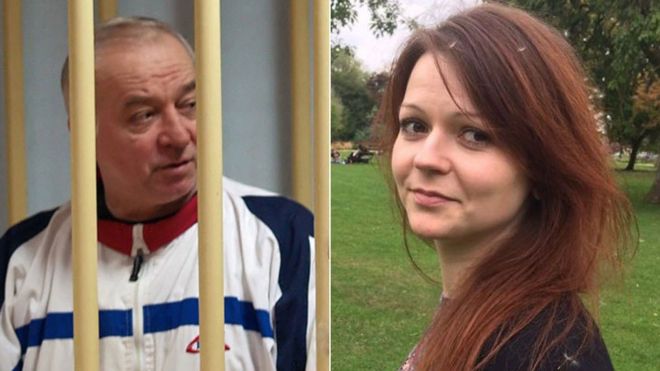
Image copyrightEPA/ YULIA SKRIPAL/FACEBOOKImage captionSergei Skripal, 66, and his daughter Yulia, 33, are in a critical condition in hospital
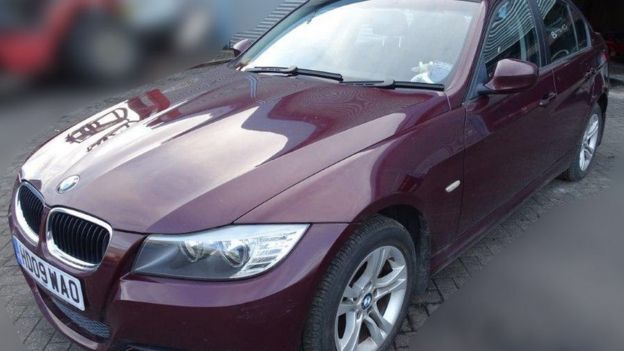
Meanwhile, counter-terrorism police have renewed their appeal for witnesses who may have seen Mr Skripal's burgundy BMW car in Salisbury on 4 March.
Neil Basu, Met Police Assistant Commissioner, said: "We are learning more about Sergei and Yulia's movements but we need to be clearer around their exact movements on the morning of the incident."
Police believe the car - registration plate HD09 WAO - may have been in the areas of London Road, Churchill Way North and Wilton Road at about 09:15 GMT. At about 13:30 GMT it was seen being driven down Devizes Road towards the centre of town.
Image copyrightMETROPOLITAN POLICE
Mr Basu said investigators were making good progress but further work could take "months".
He added that the continued presence of officers in the area wearing specialist protective clothing was a precaution and that the risk to the public was low.
Det Sgt Nick Bailey, who was part of the initial response to the incident, remains in a serious but stable condition in hospital after being exposed to the chemical.
UK 'defending itself'
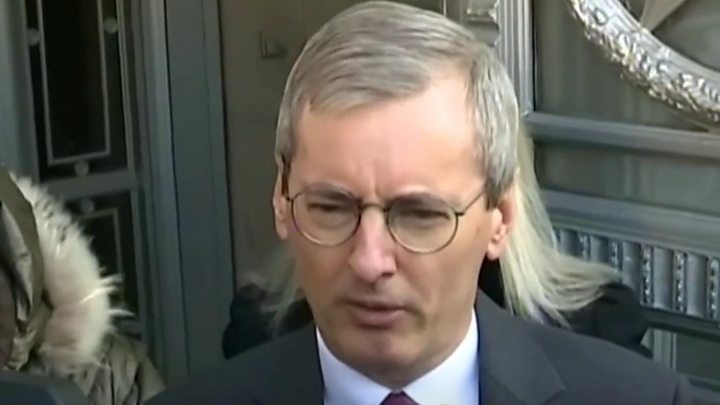
Britain's ambassador to Russia, Laurie Bristow, was summoned to Russia's foreign ministry on Saturday morning, where he was informed of Moscow's decision.
Following the meeting, Mr Bristow said the UK had no quarrel with the Russian people and would "always do what is necessary to defend ourselves".
Ambassador Laurie Bristow: "We will always do what is necessary to defend ourselves."
Media captionAmbassador Laurie Bristow: "We will always do what is necessary to defend ourselves"
Analysis
By Sarah Rainsford, BBC Moscow correspondent
The British ambassador had been expecting this call for three days.
In the end, he spent just over 10 minutes in the foreign ministry where he was handed Russia's counter-sanctions.
The response from Moscow is robust and does go further than the UK measures. But it doesn't appear calculated to escalate tensions.
The ministry has stuck to 23 for 23 in terms of diplomatic expulsions, no more.
And while it is ordering the closure of the UK consulate in St Petersburg - both Moscow and Ekaterinburg remain open.
Russia's response has also targeted the British Council, which promotes cultural ties.
That will be seen by Britain as a low blow, hurting the Russian people - not the British government. But the UK is unlikely to want to retaliate in kind.
The council's activity here had already been significantly curtailed by Moscow after the last crisis in relations, when Alexander Litvinenko was poisoned.
Meanwhile, the double tactic of denial and distraction here continues, both in comments by officials, and in the mocking, dismissive coverage of the Skripal case on state-run media.
The Russian foreign ministry said in a statement that the British diplomats would be "declared persona non grata", adding that it "reserves the right to introduce other retaliatory measures in case of further unfriendly actions".
It said it was responding to "provocative actions" and "unproven accusations" by Britain.
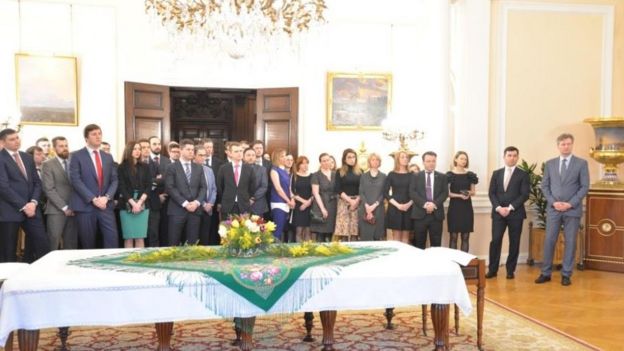
Image copyrightRUSSIAN EMBASSYImage captionRussia's UK embassy tweeted a picture of a reception held to thank staff being expelled from Britain
Russian foreign ministry spokeswoman Maria Zakharova also said that the most likely source of the nerve agent was Britain, the Czech Republic, Slovakia, Sweden or the United States.
Speaking to state-owned Russian news channel Rossiya 24, she said those countries, not Russia, had been intensively testing the substance since the 1990s.
Czech foreign minister Martin Stropnicky rejected the claims as "unsubstantiated" and "a classic way of manipulating information in the public space".
Swedish foreign minister Margot Wallstrom tweeted: "Forcefully reject unacceptable and unfounded allegation" and added, "Russia should answer UK questions instead."
Meanwhile, the Russian ambassador to the UK, Alexander Yakovenko, hosted a reception at the Russian embassy in London for the diplomats who are being expelled from the UK.
Labour leader Jeremy Corbyn, speaking in Newcastle, said the emphasis should be on a thorough investigation through the Chemical Weapons Convention.
"We have to establish exactly where the nerve gas came from, who administered it and prosecute if we can," he said.
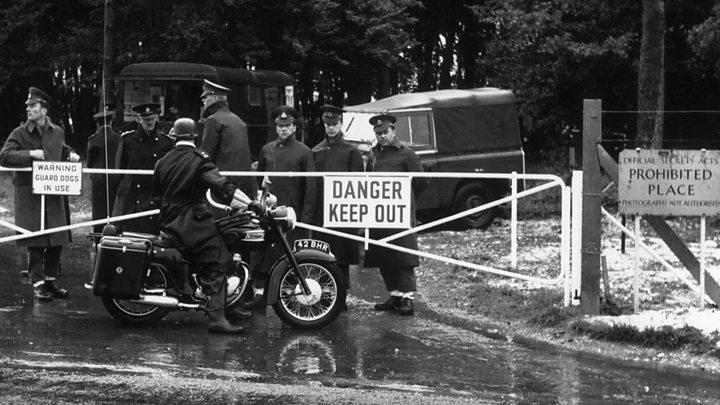
Media captionA look around Porton Down, Britain's military research base in to chemical and biological attacks
A Downing Street spokesman has said the Organisation for the Prohibition of Chemical Weapons (OPCW) has been invited to come to the UK to take a sample of the nerve agent.
Russian exiles warned
Elsewhere, the Met Police have launched a murder investigation into the death of businessman and Kremlin critic Nikolai Glushkov - a Russian exile who was found dead in his south-London home on Monday.
A post-mortem examination found the 68-year-old died from "compression to the neck".
Police say there is no evidence at this stage linking his case with the Salisbury attack.
However, they have begun to contact a number of Russian exiles to discuss their safety.
Russia has also opened criminal investigations into "the murder" of Mr Glushkov, and the "attempted murder" of Ms Skripal.

 EPA/ YULIA SKRIPAL/FACEBOOK