LONDON - Risks posed by climate change and environmental destruction top the concerns of world decision-makers as they prepare to head to this year’s meeting of the global elite in the Swiss mountain resort of Davos, an annual survey found.
FILE PHOTO: A car drives past the congress centre, the venue of the World Economic Forum (WEF) in Davos, Switzerland January 13, 2020. REUTERS/Arnd Wiegmann
For the first time recorded by the report, which is produced by the think tank that runs the event, the top five concerns were all environmental - from extreme weather to biodiversity loss and events like oil spills and radioactive contamination.
That came as trade wars and the rise of nationalist politics around the world were also cited by the panel of more than 750 experts and decision-makers surveyed as making it harder for countries to work together on solutions.
“The political landscape is polarized, sea levels are rising and climate fires are burning,” said Borge Brende, President of the World Economic Forum (WEF), urging more collective action.
This year’s Davos, which runs next week, has chosen sustainability as its main theme and comes as campaigners such as Greta Thunberg ramp up pressure on business and governments to act on climate change and other environmental threats.
At the same time, leading economies are behind on pledges to cut carbon emissions made with the 2015 Paris Agreement and activists remain wary of empty promises, pointing to the huge subsidies and private funds still on offer for fossil fuels.
U.S. President Donald Trump is expected to attend, although some world leaders will skip this year’s Davos. New British Prime Minister Boris Johnson has told his ministers to avoid an event seen by many as elitist, a source in his office has said.
CARBON NEUTRAL
In a bid to preempt criticism that its jetset guests are part of the problem, the WEF said this year’s Davos would use offsets to be fully carbon neutral, line up more electric vehicles and offer local food and non-meat protein options.
Environmental concerns have been rising up the list of its perceived long-term risks in recent years, a marked change from a decade ago when the West’s biggest economies were thrown into recession by the financial crisis.
The biggest risk that year was seen as a fresh collapse in asset prices, while inequality was the top concern from 2012 to 2014. Immigration loomed large in the 2016 survey as hundreds of thousands of migrants arrived in Europe, fleeing war and poverty in the Middle East and Africa.
Aside from the environment, the 2020 survey highlights concerns about shortfalls in governance of the technology sector, struggling health sectors and doggedly high inequality.
In its methodology for the survey, the WEF said a “global risk” was defined as one that could cause major harm to several countries or industries within the next 10 years.
Two-thirds of the respondees were male, with a majority from Europe and North America and most aged between 40 and 59. For the first time, the survey included results from 200 under-30s around the world identified as future leaders in various fields.
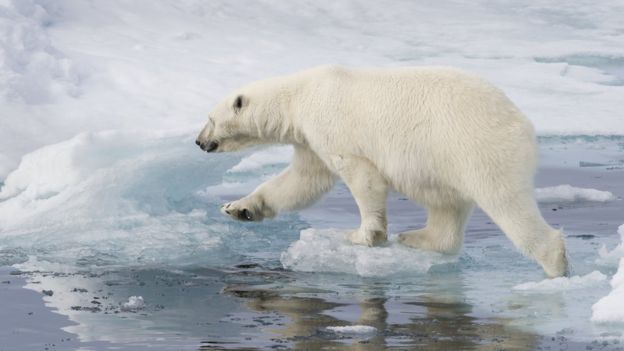
Scientists say that the planet is at risk of catastrophic effects from global warming.
Growing emissions of carbon dioxide from human activities are driving up temperatures. This is increasing the possibility of extreme weather, melting polar ice and hastening global sea level rise.
BBC News looks at what we know and don't know about the Earth's changing climate.
What is climate change?
The planet's climate has constantly been changing over geological time. The global average temperature today is about 15C, though geological evidence suggests it has been much higher and lower in the past.
However, the current period of warming is occurring more rapidly than many past events. Scientists are concerned that natural fluctuations in the climate are being overtaken by a rapid, human-induced warming that has serious implications for the stability of the planet's climate.
2019is on course to be in the top three warmest years
10 warmest years
10 coldest years
Source: NOAA
What is the "greenhouse effect"?
The greenhouse effect refers to the way the Earth's atmosphere traps some of the energy from the Sun. Solar energy radiating back out to space from the Earth's surface is absorbed by atmospheric greenhouse gases and re-emitted in all directions.
The energy that radiates back down to the planet heats both the lower atmosphere and the surface. Without this effect, the Earth would be about 30C colder, making our planet hostile to life.
Scientists believe we are adding to the natural greenhouse effect with gases released from industry and agriculture (known as emissions), trapping more energy and increasing the temperature. This is commonly referred to as global warming or climate change.
The most important of these greenhouse gases in terms of its contribution to warming is water vapour, but concentrations show little change and it persists in the atmosphere for only a few days.
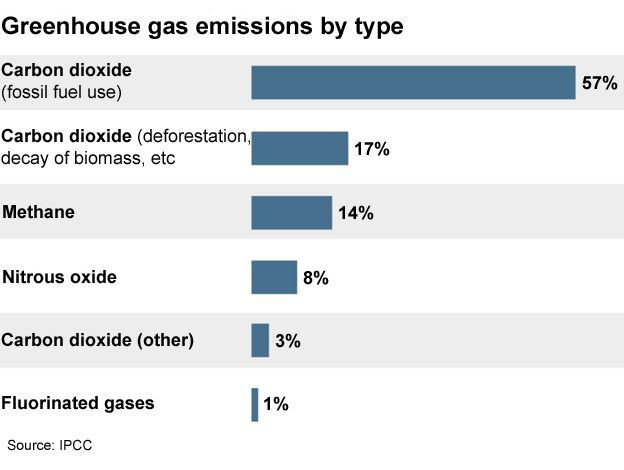
Carbon dioxide (CO2), however, persists for much longer (it would take hundreds of years for it to return to pre-industrial levels). In addition, there is only so much CO2 that can be soaked up by natural reservoirs such as the oceans.
Most man-made emissions of CO2 occur through the burning of fossil fuels. When carbon-absorbing forests are cut down and left to rot, or burned to make way for pasture, that stored carbon is also released, contributing to global warming.
Other greenhouse gases such as methane and nitrous oxide are also released through human activities, but their overall abundance is small compared with carbon dioxide.
Since the industrial revolution began in around 1750, CO2 levels have risen by more than 30% and methane levels have risen more than 140%. The concentration of CO2 in the atmosphere is now higher than at any time in at least 800,000 years.
What is the evidence for warming?
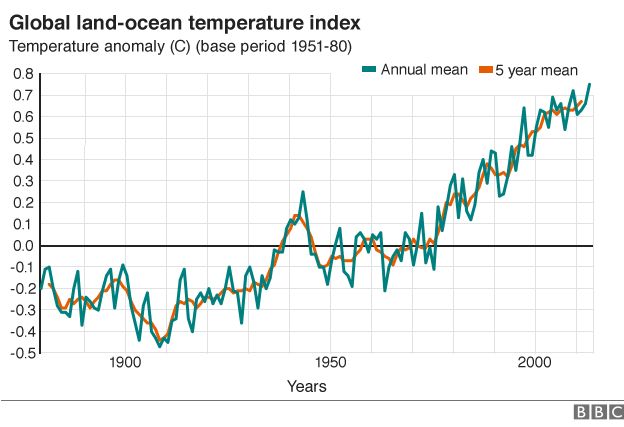
The world is now nearly one degree Celsius warmer than it was before widespread industrialisation, according to the World Meteorological Organization (WMO).
The global average temperature for the first 10 months of 2018 was 0.98C above the levels of 1850-1900, according to five independently maintained global data sets.
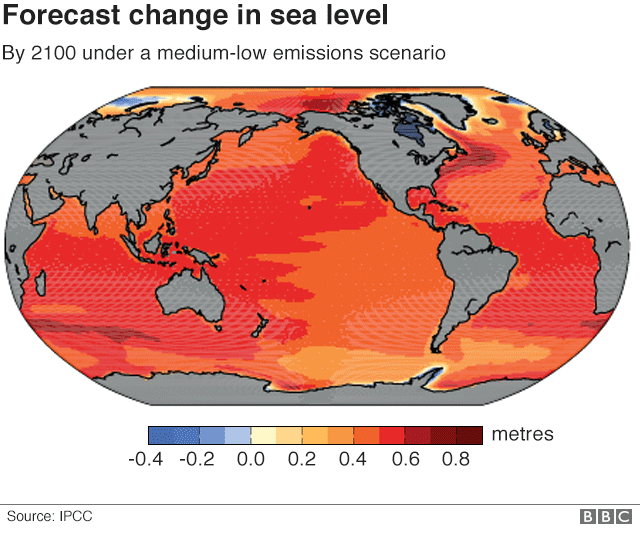
Across the globe, the average sea level increased by 3.6mm per year over the period 2005-2015. Most of the change in sea level was once accounted for by the thermal expansion of seawater. As seawater warms up, the molecules become less densely packed, causing an increase in the volume of the ocean.
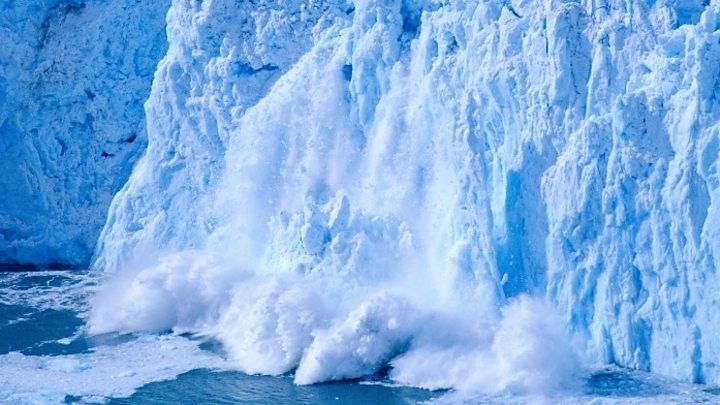
But ice losses at the poles are now considered to be the major driver of this trend. Most glaciers in temperate regions of the world and along the Antarctic Peninsula are in retreat. Since 1979, satellite records show a dramatic decline in Arctic sea-ice extent, at an annual rate of 4% per decade. In 2012, the ice extent reached a record minimum that was 50% lower than the 1979-2000 average.
The Greenland Ice Sheet has experienced record melting in recent years; if the entire 2.8 million cu km sheet were to melt, it would raise sea levels by 6m.
Satellite data shows the West Antarctic Ice Sheet is also losing mass, and a recent study indicated that East Antarctica, which had displayed no clear warming or cooling trend, may also have started to lose mass in the last few years. But scientists are not expecting dramatic changes. In some places, mass may actually increase as warming temperatures drive the production of more snows.
The effects of a changing climate can also be seen in vegetation and land animals. These include earlier flowering and fruiting times for plants and changes in the territories (or ranges) occupied by animals.
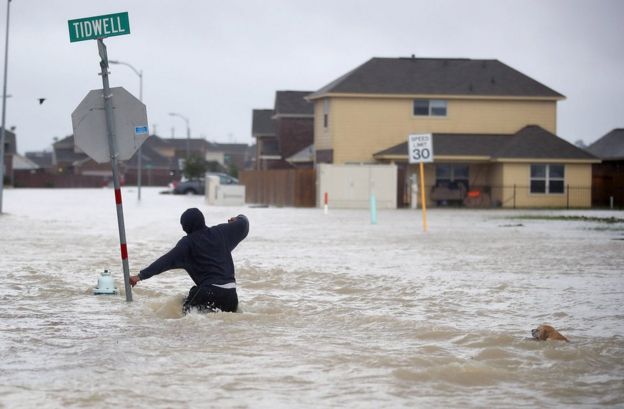
Image copyrightGETTY IMAGESImage captionClimate change could cause more extremes of weather
How much will temperatures rise in future?
In its 2013 assessment of the science, the Intergovernmental Panel on Climate Change (IPCC) forecast a range of possible scenarios based on computer modelling. But most simulations indicate that global surface temperature change by the end of the 21st Century is likely to exceed 1.5C, relative to 1850.
The World Meteorological Organization (WMO) says that if the current warming trend continues, temperatures could rise by 3-5C by the end of this century.
Even if we cut greenhouse gas emissions dramatically now, scientists say the effects will continue because parts of the climate system, particularly large bodies of water and ice, can take hundreds of years to respond to changes in temperature. It also takes greenhouse gases decades to be removed from the atmosphere.
How will climate change affect us?
There are varying degrees of uncertainty about the scale of potential impacts. But the changes could drive freshwater shortages, bring sweeping changes to our ability to produce food, and increase the number of deaths from floods, storms, heat waves and droughts.
This is because climate change is expected to increase the frequency of extreme weather events - though linking any single event to global warming is complicated.
Media captionMatt McGrath explains why we should care about climate change
Scientists forecast more rainfall overall, but say the risk of drought in inland areas during hot summers will increase. More flooding is expected from storms and rising sea levels. There are, however, likely to be very strong regional variations in these patterns.
Poorer countries, which are least equipped to deal with rapid change, could suffer the most.
Plant and animal extinctions are predicted as habitats change faster than species can adapt, and the World Health Organization (WHO) has warned that the health of millions could be threatened by increases in malaria, water-borne disease and malnutrition.
Media captionHow temperatures have risen since 1884
As an increased amount of CO2 is released into the atmosphere, there is increased uptake of CO2 by the oceans, and this causes the water to become more acidic. This ongoing process of acidification could pose major problems for the world's coral reefs, as the changes in chemistry prevent corals from forming a calcified skeleton, which is essential for their survival.
Computer models are used to study the dynamics of the Earth's climate and make projections about future temperature change. But these climate models differ on "climate sensitivity" - the amount of warming or cooling that occurs as a particular factor, such as CO2. goes up or down.
Models also differ in the way that they express "climate feedbacks".
Global warming will cause some changes that look likely to create further heating, such as the release of large quantities of the greenhouse gas methane as permafrost (permanently frozen soil found mainly in the Arctic) melts. This is known as a positive climate feedback.
But negative feedbacks can offset warming to some extent. Various "reservoirs" on Earth absorb CO2 as part of the carbon cycle - the process through which carbon is exchanged between, for example, the oceans and the land.















![[Photos] Mama Elephant Does This After Man Saves Her Drowning Baby](https://images.outbrainimg.com/transform/v3/eyJpdSI6IjJjZTU1MmVkMTU4ZGJiMzc0NTEyOTA3ZWQ2Nzk5ZWRlY2Q5NDc3OTU0NmU5NWE0ZjZiZGQ2Zjg4YjRiYzliZTIiLCJ3IjoxNjAsImgiOjkwLCJkIjoxLjUsImNzIjowLCJmIjo0fQ.webp "[Photos] Mama Elephant Does This After Man Saves Her Drowning Baby")


![[Photos] This Is What Scientists Found At The Bottom Of The Niagara Falls That Left Them So Disturbed](https://images.outbrainimg.com/transform/v3/eyJpdSI6ImFhMzA1NjMyNWNlNThiNDYxODQ4M2NhNzIzNDgzMjliMjRjNDc2MGFmOTUzNmY4YTU1YWM4YmY4YjFkNTY5Y2YiLCJ3IjoxNjAsImgiOjkwLCJkIjoxLjUsImNzIjowLCJmIjo0fQ.webp "[Photos] This Is What Scientists Found At The Bottom Of The Niagara Falls That Left Them So Disturbed")
