Catalonia’s parliament declares independence; Spain imposes direct rule
Mutual mistrust between the two administrations scuppered a deal to avoid a head-on clash

UPDATE October 28th 20:00 GMT: This story has been updated to reflect news.
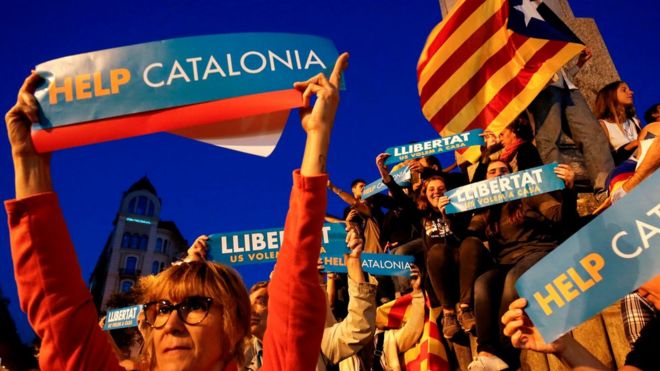
IT WAS political theatre—epic for some, farce for others and tragic for many more. By 70 votes out of 135, and with the opposition having walked out, the Catalan parliament in Barcelona voted yesterday, October 27th, to declare independence and constitute Catalonia as a republic. Minutes later in Madrid, the Senate overwhelmingly approved the government’s request to exercise its constitutional power to intervene in Catalonia. Mariano Rajoy, Spain's prime minister, announced the immediate dismissal of the Catalan government and parliament, and called a fresh regional election for December 21st.
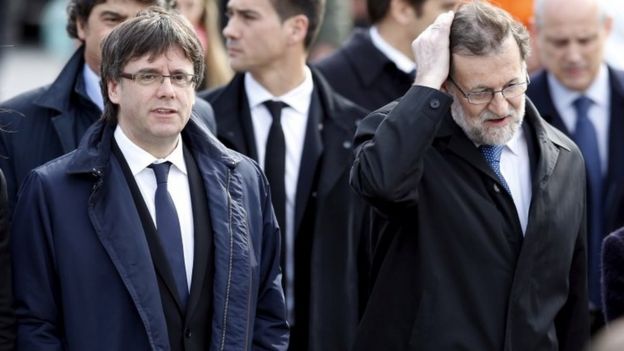
Until almost the last minute it appeared that this head-on clash could be avoided. On October 26th officials in Madrid and Barcelona had discussed a deal whereby, if Carles Puigdemont, the Catalan president, himself called a fresh election, the government would suspend its plans for direct rule. Amid much confusion, the deal was aborted because of the mistrust between the two administrations and because Mr Puigdemont apparently feared being denounced as a traitor by the independence movement that he leads.
“Today the parliament took a long-awaited and struggled-for step,” Mr Puigdemont said after the independence vote. But it is purely symbolic: it will be declared void by Spain’s Constitutional Tribunal and no European government will recognise Catalonia as an independent state. “For the European Union nothing changes,” said Donald Tusk, its president. “Spain is our only interlocutor”. The narrow secessionist majority in the Catalan parliament opted to cast secret ballots, because they fear the legal consequences of breaching the constitution.
The Senate duly approved Mr Rajoy’s request, backed by the opposition Socialists, to apply Article 155 of the constitution in Catalonia. Never used before, this grants the government wide powers to compel a region to obey the constitution. Mr Rajoy justified this “exceptional decision” by referring to the Catalan administration’s “continued process of anti-democratic decisions, against the law and Spanish and European values”.
Apart from the dismissal of Mr Puigdemont's executive, Mr Rajoy announced the shutting down of the Catalan government's offices abroad. The government is also likely to replace the commanders of the Catalan police force, and take over the Catalan government's finances and IT centre. At the urging of the opposition Socialists, the government has dropped the idea of taking the public broadcasters in Catalonia. The dissolution of the Catalan parliament and the swift calling of a new election came as a surprise (Mr Rajoy had earlier talked of an election "within six months"). It suggests that he does not want direct rule to become the subject of a lengthy conflict.
Even so, it was unclear whether the Catalan civil service will accept the government's orders. Mr Rajoy is likely to face civil disobedience and strikes, especially if prosecutors opt to charge Mr Puigdemont and his colleagues with rebellion, which carries up to 30 years in jail. Already two leaders of the independence movement have been detained on suspicion of sedition for organising a demonstration in Barcelona last month that hindered a police raid against organisers of an unauthorised independence referendum on October 1st.
Mr Puigdemont claims a mandate from that referendum, in which Catalan officials say some 43% of the electorate voted, 90% of them for independence. But they face some unpleasant realities: since October 1st, more than 1,500 companies, including almost all the big ones, have moved their domicile outside the region, and tourist bookings have dipped.
The secessionists have brought Spain to a deadlock. Mr Rajoy has agreed to a Socialist proposal to set up a congressional committee to discuss constitutional reform. If there is a solution to the country’s ills, that is where it lies. But first he must win his trial of strength in Catalonia.
IT WAS political theatre—epic for some, farce for others and tragic for many more. By 70 votes out of 135, and with the opposition having walked out, the Catalan parliament in Barcelona voted yesterday, October 27th, to declare independence and constitute Catalonia as a republic. Minutes later in Madrid, the Senate overwhelmingly approved the government’s request to exercise its constitutional power to intervene in Catalonia. Mariano Rajoy, Spain's prime minister, announced the immediate dismissal of the Catalan government and parliament, and called a fresh regional election for December 21st.
Until almost the last minute it appeared that this head-on clash could be avoided. On October 26th officials in Madrid and Barcelona had discussed a deal whereby, if Carles Puigdemont, the Catalan president, himself called a fresh election, the government would suspend its plans for direct rule. Amid much confusion, the deal was aborted because of the mistrust between the two administrations and because Mr Puigdemont apparently feared being denounced as a traitor by the independence movement that he leads.
Latest updates
The Senate duly approved Mr Rajoy’s request, backed by the opposition Socialists, to apply Article 155 of the constitution in Catalonia. Never used before, this grants the government wide powers to compel a region to obey the constitution. Mr Rajoy justified this “exceptional decision” by referring to the Catalan administration’s “continued process of anti-democratic decisions, against the law and Spanish and European values”.
Apart from the dismissal of Mr Puigdemont's executive, Mr Rajoy announced the shutting down of the Catalan government's offices abroad. The government is also likely to replace the commanders of the Catalan police force, and take over the Catalan government's finances and IT centre. At the urging of the opposition Socialists, the government has dropped the idea of taking the public broadcasters in Catalonia. The dissolution of the Catalan parliament and the swift calling of a new election came as a surprise (Mr Rajoy had earlier talked of an election "within six months"). It suggests that he does not want direct rule to become the subject of a lengthy conflict.
Even so, it was unclear whether the Catalan civil service will accept the government's orders. Mr Rajoy is likely to face civil disobedience and strikes, especially if prosecutors opt to charge Mr Puigdemont and his colleagues with rebellion, which carries up to 30 years in jail. Already two leaders of the independence movement have been detained on suspicion of sedition for organising a demonstration in Barcelona last month that hindered a police raid against organisers of an unauthorised independence referendum on October 1st.
Mr Puigdemont claims a mandate from that referendum, in which Catalan officials say some 43% of the electorate voted, 90% of them for independence. But they face some unpleasant realities: since October 1st, more than 1,500 companies, including almost all the big ones, have moved their domicile outside the region, and tourist bookings have dipped.
The secessionists have brought Spain to a deadlock. Mr Rajoy has agreed to a Socialist proposal to set up a congressional committee to discuss constitutional reform. If there is a solution to the country’s ills, that is where it lies. But first he must win his trial of strength in Catalonia.