by Sunita Kureishi and Biodun Iginla, News Analysts, The Economist Intelligence Unit, Tehran
For now, alas, they probably won’t get one
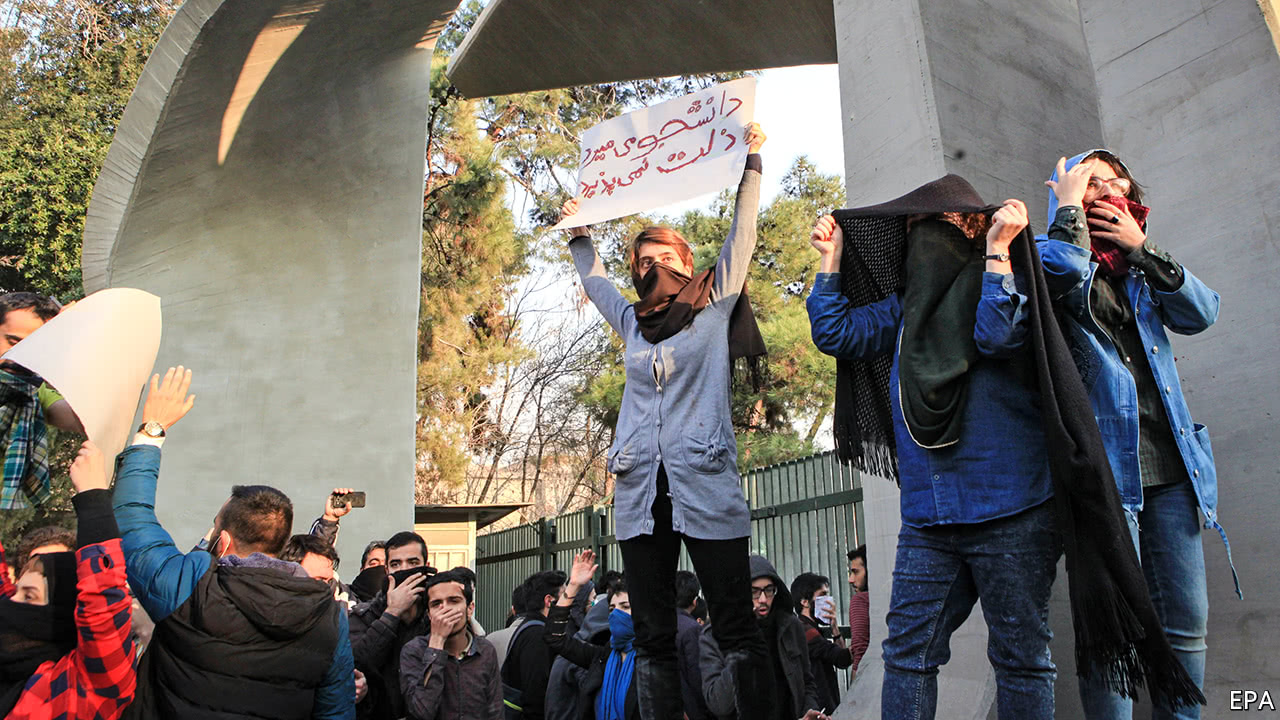
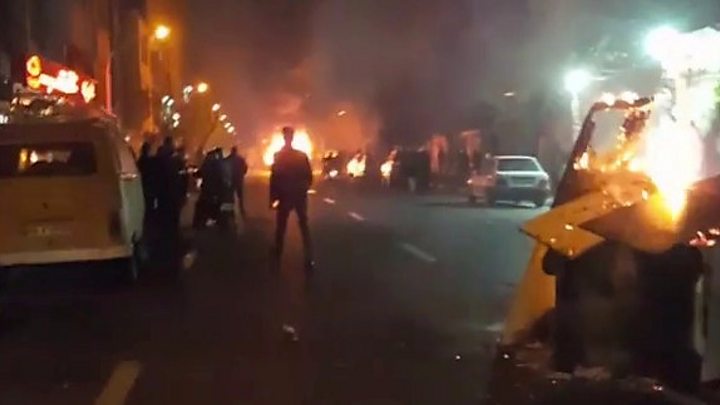
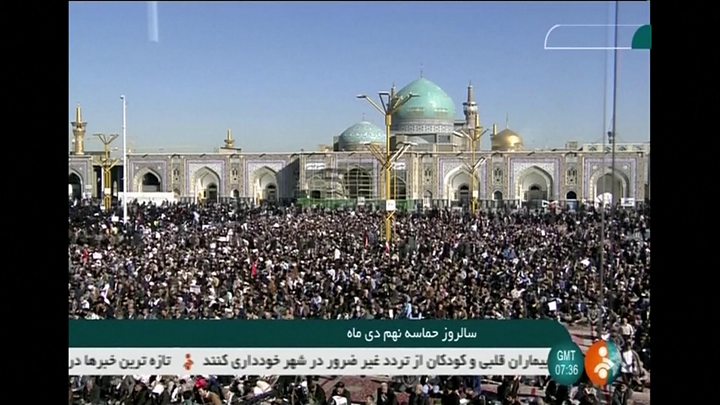
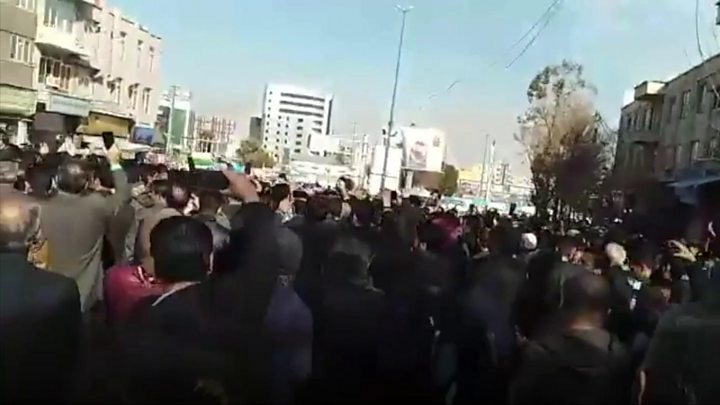
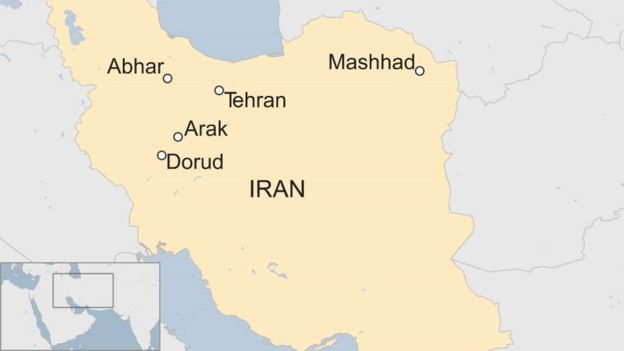
BIG things often have small beginnings. In the case of the protests engulfing Iran, it was a steep rise in the price of eggs. That was why hundreds of people first took to the streets in Mashhad, Iran’s second city, on December 28th. They demanded the resignation of Hassan Rouhani, the reformist president, for failing to bring prosperity to most Iranians.
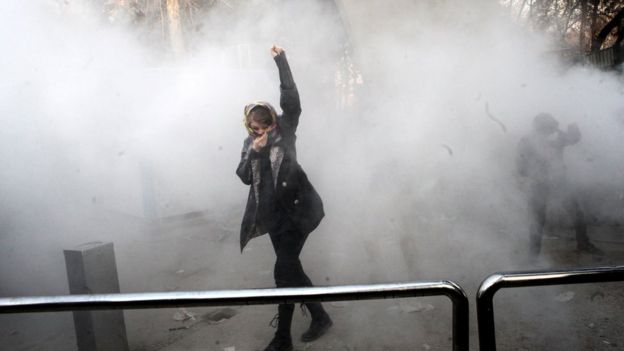
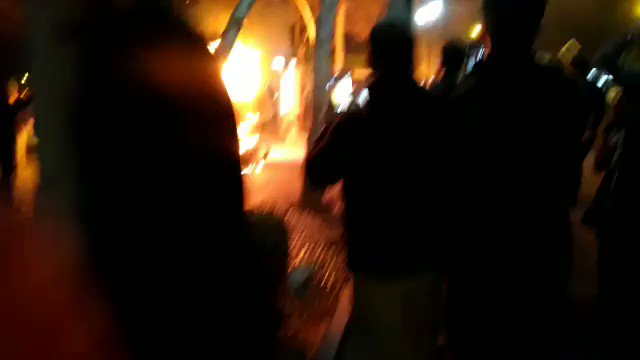
The protests quickly spread to more than 70 towns and cities, attracting a broader swathe of malcontents, mostly young (see article). Over 20 people have been killed; hundreds more have been arrested. The authorities have shut down messaging apps and social-media websites. They have blamed foreigners, absurdly, for the unrest and they are threatening a violent clampdown. Protesters are now calling not only for Mr Rouhani to go, but for Iran’s clerical leaders, who hold far more real power, to surrender it. They also denounce the regime’s armed protectors, the Islamic Revolutionary Guards. Iranians are fed up with rising living costs, endemic corruption, and political and social repression.
Is this the start of something even bigger? It is impossible to know. But it is already clear that the protests hold three damning messages for Iran’s regime. The first concerns its aggressive foreign policy. The Guards have spent billions of dollars in recent years supporting armed groups in Gaza, Lebanon and Yemen, as well as propping up a blood-soaked dictator in Syria. As Iran has filled the vacuum created by America’s unwillingness to exert hard power in the Middle East, it has extended its influence and tormented its big Sunni rival, Saudi Arabia.
To many outsiders this policy has seemed a stunning success. However, the protests are a blow to Iran’s adventurism. A draft budget leaked last month would increase funding for the Guards, while slashing subsidies for the poor. The protesters are having none of it: “Leave Syria, remember us!” they shout. “Not Gaza, not Lebanon, my life for Iran!” The regime is not about to pull back from its region but, increasingly, its ambitions face limits at home.
The second blow is to the reformist faction headed by Mr Rouhani—and to all those who have pinned their hopes on him as the architect of a sort of Iranian glasnost. Optimists always think that Iran is about to behave better. When the regime signed a deal in 2015, under which it curbed its nuclear programme in exchange for a partial lifting of sanctions by America and other foreign powers, Barack Obama’s aides predicted that this would empower Iranian reformers. Mr Rouhani himself heralded it as a fresh start. Yet the deal was about curbing Iran’s illicit nuclear ambitions, not curing its oppressive state (one reason President Donald Trump should even now not pull America out of the nuclear accord). The easing of sanctions helped the Iranian economy grow, but enough of them remain to make outsiders wary of dealing with it. The promised economic benefits have not trickled down. By one estimate, average Iranians have become 15% poorer over the past decade.
To fix the economy Mr Rouhani would need to confront the Revolutionary Guards, who loom over everything from carmaking to construction and who use their political power to enrich their commanders and impoverish Iranians. Many charities and firms connected to them ignore the taxman and refuse to open their books to government scrutiny.
Yet the demonstrations leave Mr Rouhani in a sort of no-man’s-land. On the one hand, he is too weak to prevail over the Guards or to defeat his powerful conservative enemies in the regime, who may have encouraged the original marches in Mashhad. On the other, he and his failing economic policy have lost the confidence of working-class Iranians, who gave him crucial support in last year’s election.
All the same, they may well fail. The regime has all the guns and all the torture cells, and is not squeamish about using them. The Green Movement was crushed by the Revolutionary Guards’ brutal baseej militia and mass arrests and torture by the secret police. But the third lesson of today’s protests—and the hardest for the regime to accept—is that repression cannot quell popular anger permanently. The last crackdown was only eight years ago, and already Iranians are out on the streets again. Mr Trump, who seldom seems to care much about human rights, was right to call the regime “brutal and corrupt” and to suggest that Iran needs a change. Iranians are far more moderate than the rulers who rob and oppress them. Some day, they may get the government they deserve.
The protests quickly spread to more than 70 towns and cities, attracting a broader swathe of malcontents, mostly young (see article). Over 20 people have been killed; hundreds more have been arrested. The authorities have shut down messaging apps and social-media websites. They have blamed foreigners, absurdly, for the unrest and they are threatening a violent clampdown. Protesters are now calling not only for Mr Rouhani to go, but for Iran’s clerical leaders, who hold far more real power, to surrender it. They also denounce the regime’s armed protectors, the Islamic Revolutionary Guards. Iranians are fed up with rising living costs, endemic corruption, and political and social repression.
Latest updates
To many outsiders this policy has seemed a stunning success. However, the protests are a blow to Iran’s adventurism. A draft budget leaked last month would increase funding for the Guards, while slashing subsidies for the poor. The protesters are having none of it: “Leave Syria, remember us!” they shout. “Not Gaza, not Lebanon, my life for Iran!” The regime is not about to pull back from its region but, increasingly, its ambitions face limits at home.
The second blow is to the reformist faction headed by Mr Rouhani—and to all those who have pinned their hopes on him as the architect of a sort of Iranian glasnost. Optimists always think that Iran is about to behave better. When the regime signed a deal in 2015, under which it curbed its nuclear programme in exchange for a partial lifting of sanctions by America and other foreign powers, Barack Obama’s aides predicted that this would empower Iranian reformers. Mr Rouhani himself heralded it as a fresh start. Yet the deal was about curbing Iran’s illicit nuclear ambitions, not curing its oppressive state (one reason President Donald Trump should even now not pull America out of the nuclear accord). The easing of sanctions helped the Iranian economy grow, but enough of them remain to make outsiders wary of dealing with it. The promised economic benefits have not trickled down. By one estimate, average Iranians have become 15% poorer over the past decade.
To fix the economy Mr Rouhani would need to confront the Revolutionary Guards, who loom over everything from carmaking to construction and who use their political power to enrich their commanders and impoverish Iranians. Many charities and firms connected to them ignore the taxman and refuse to open their books to government scrutiny.
Yet the demonstrations leave Mr Rouhani in a sort of no-man’s-land. On the one hand, he is too weak to prevail over the Guards or to defeat his powerful conservative enemies in the regime, who may have encouraged the original marches in Mashhad. On the other, he and his failing economic policy have lost the confidence of working-class Iranians, who gave him crucial support in last year’s election.
Baseejed
Optimists note that complaints about corruption, unemployment and the lack of prospects fuelled the “Arab spring” uprisings in 2011. Unlike the Green Movement, which rocked Iran’s clerical establishment in 2009 with huge rallies in the capital demanding the overturning of a fishy presidential election, today’s demonstrations have sprung up in rural provinces, long viewed as more conservative. And though they have been smaller than in 2009, they have been more intense. “Death to [Ayatollah Ali] Khamenei,” chant some—risking harsh punishment for disrespecting the supreme leader.All the same, they may well fail. The regime has all the guns and all the torture cells, and is not squeamish about using them. The Green Movement was crushed by the Revolutionary Guards’ brutal baseej militia and mass arrests and torture by the secret police. But the third lesson of today’s protests—and the hardest for the regime to accept—is that repression cannot quell popular anger permanently. The last crackdown was only eight years ago, and already Iranians are out on the streets again. Mr Trump, who seldom seems to care much about human rights, was right to call the regime “brutal and corrupt” and to suggest that Iran needs a change. Iranians are far more moderate than the rulers who rob and oppress them. Some day, they may get the government they deserve.